Analysis: Cruijff's diamond formation returns to Ajax
Ajax are returning to Johan Cruijff's famous diamond formation by hiring Míchel as coach, who prefers a 3-4-3 formation.
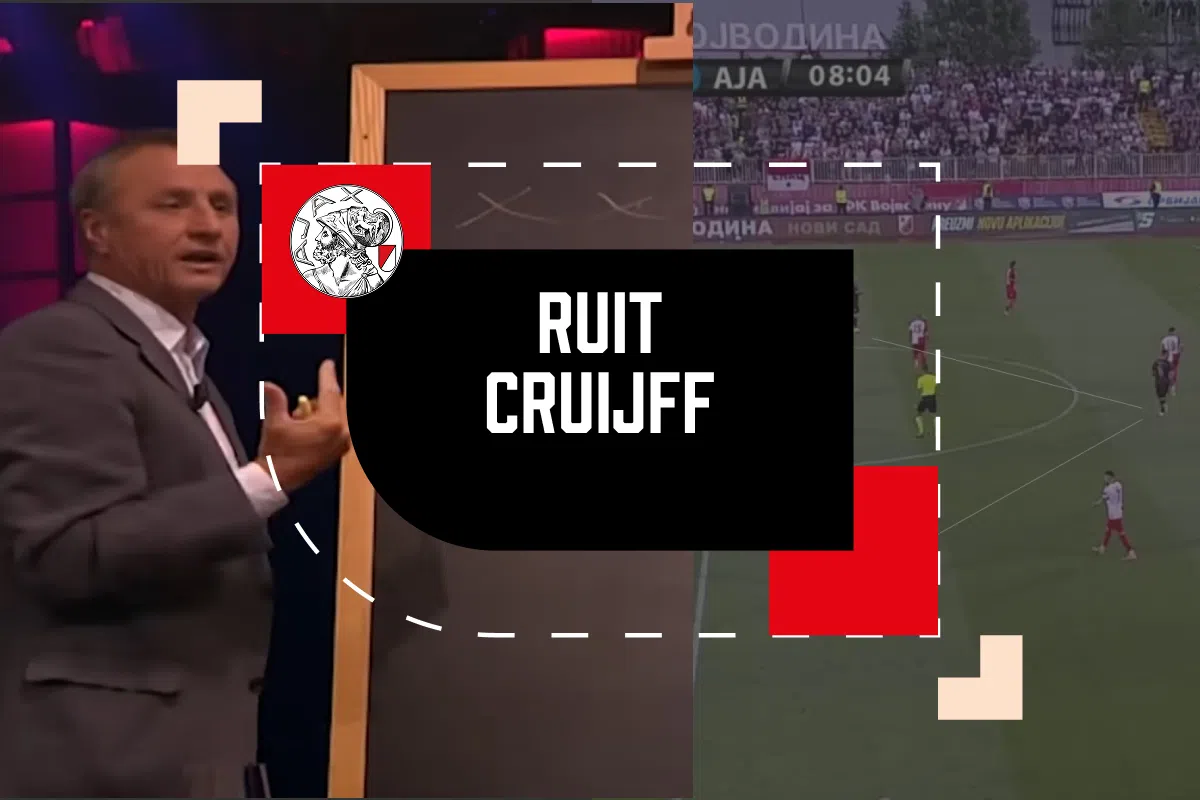
Analysis: Cruijff's diamond formation returns to Ajax
According to Vi.
Background
Míchel, who previously coached Girona, brings fresh ideas to Ajax's tactics. His preference for the 3-4-3 formation could be an exciting development for the players and the entire squad as the club looks to reposition itself in international football.
Why this is important
Johan Cruijff's return to the diamond formation marks a significant step for Ajax, one that aims to remind the club of its glory days. Míchel, as the new coach, brings with him a philosophy based on ball possession and flexible spatial distribution, which brought Ajax glory in the 70s. This decision could not only revolutionize the way the team plays, but also strengthen the club's self-image in modern football.
Key findings
- Analysis: Cruijff's diamond formation returns to Ajax.
- Ajax returns to Johan Cruijff's famous diamond formation by hiring Míchel as coach, who prefers a 3-4-3 formation.
- Analysis: the Ruit van Cruijff is terug to Ajax.
In fact, Cruijff predominantly played in a 3-4-3 system in which the midfield was dominated by a diamond formation. This flexible and dynamic setup allows players to quickly orient themselves and react to different game situations. It remains to be seen how Míchel will put this philosophy into practice and whether Ajax can build on their old successes.
The return to the diamond formation could also be an answer to the challenges of modern football tactics. In recent years, many teams have focused on defensive strategies and compact playing styles. Ajax, on the other hand, could find its old strength again through an offensive and creative style of play that Cruijff coined. This development is being followed with excitement, both by fans and football analysts.
In the coming weeks it will become clear whether Míchel can get the Ajax players to identify with this change in formation and implement it successfully. The pressure on the new coach is high, but the hope of a return to the club's roots is palpable. Ajax is more than just a football club; it is an institution that represents a certain gaming philosophy and ethos. With Míchel on the sidelines, the club could be well on its way to embodying these ideals again.
What happens next
With Míchel on the sidelines, Ajax are expected to adapt their game strategy and the players in the new diamond formation will be given more freedom in their build-up play. Fans can look forward to more attacking and attractive football that builds on the club's tradition. It remains to be seen how quickly Míchel can implement his ideas and whether Ajax will return to the top of European football.
Frequently asked questions
What is the Cruijff diamond formation?
The diamond formation is a game tactic that relies heavily on ball possession and flexible space distribution and was popularized by Johan Cruijff.
Who confirmed the return of the diamond formation to Ajax?
The return of the diamond formation to Ajax was confirmed by the signing of Míchel as the new coach.
Why did Ajax decide to hire Míchel as a coach?
Ajax wants to build on the successes of the past with Míchel and revive the philosophy of Johan Cruijff.
What changes does Míchel bring to Ajax with his tactics?
Míchel plans to give players more freedom in building play and promote attacking football, which is characteristic of Ajax.
When was the decision for Míchel as coach made?
The decision for Míchel as coach was made recently in order to get Ajax back on the road to success.
Related articles
Häufig gestellte Fragen
- What is the Cruijff diamond formation?
- The diamond formation is a game tactic that relies heavily on ball possession and flexible space distribution and was popularized by Johan Cruijff.
- Who confirmed the return of the diamond formation to Ajax?
- The return of the diamond formation to Ajax was confirmed by the signing of Míchel as the new coach.
- Why did Ajax decide to hire Míchel as a coach?
- Ajax would like to build on the successes of the past with Míchel and revive the philosophy of Johan Cruijff.
- What changes does Míchel bring to Ajax with his tactics?
- Míchel plans to give players more freedom in building up the game and promote attacking football, which is characteristic of Ajax.
- When was the decision made for Míchel as coach?
- The decision to appoint Míchel as coach was made recently in order to get Ajax back on the road to success.
- What happened in this story?
- Analysis: Cruijff's diamond formation returns to Ajax summarizes the main development covered in this report.
- Who confirmed this news?
- See the source attribution in the article for where this report was first published or corroborated.
More News
Klopp defends Van Dijk: 'I wouldn't have said it either
Jurgen Klopp defends Virgil van Dijk against the criticism he received after his candid comments about his difficult period after the World Cup.

Arsenal analyzed: three questions after the defeat against
Arsenal were beaten 3-0 by Brighton. This defeat raises some questions.

Real Madrid in shock over referee decisions
Real Madrid expresses displeasure with the refereeing decisions in the derby against Atletico Madrid, leading to a feeling of injustice within the club.