Manchester United's transfer strategy under the microscope
Why couldn't Manchester United sign a left-back? Rob Dawson analyzes the club's transfer strategy and the decisions of Omar Berrada and Jason Wilcox.
Manchester United's transfer strategy under the microscope
According to Espn.
Background
The analysis of Manchester United's transfer strategy shows that the club is under pressure to pursue sustainable squad planning. Omar Berrada and Jason Wilcox must find a balance between short-term needs and long-term goals to support the development of young talent while ensuring competitiveness in the Premier League environment.
Why this is important
Manchester United's inability to sign a left-back raises fundamental questions about the Premier League club's current transfer strategy. The position was a weakness last season and failure to address it could impact the team's competitiveness next season. Berrada and Wilcox's decisions could have long-term effects on player development and team dynamics.
Key findings
- Manchester United's transfer strategy under the microscope.
- Why couldn't Manchester United sign a left-back?.
- Inside Manchester United's 'building blocks' transfer strategy.
What happens next
Manchester United are expected to continue their search for a suitable left-back, particularly with an eye on the next transfer windows. Those responsible may find themselves forced to adapt their strategy to cope with the financial challenges of the transfer market. A successful transfer could be crucial to addressing weaknesses in the squad and supporting the club's ambitions in Premier League football.
Frequently asked questions
Who is responsible for Manchester United's transfer strategy?
Omar Berrada, the director of football operations, and Jason Wilcox, the sporting director, are responsible for the club's transfer strategy.
Why couldn't Manchester United sign a left-back?
Manchester United were unable to sign a left-back because the transfer prices were extremely high and those responsible had doubts about the quality of the players on offer.
What is the goal of Manchester United's transfer strategy?
The aim of the transfer strategy is to build a sustainable squad and not just close short-term gaps.
How does Manchester United feel about short-term transfers?
Manchester United is pursuing a long-term strategy and could forego players in certain transfer windows who do not fit the concept perfectly.
When was Manchester United's transfer strategy viewed particularly critically?
The transfer strategy was viewed particularly critically in the last transfer window when the club was unable to sign a left-back.
Related articles
Häufig gestellte Fragen
- Who is responsible for Manchester United's transfer strategy?
- Omar Berrada, the director of football operations, and Jason Wilcox, the sporting director, are responsible for the club's transfer strategy.
- Why couldn't Manchester United sign a left-back?
- Manchester United were unable to sign a left-back because transfer prices were extremely high and those in charge doubted the quality of the players on offer.
- What is the aim of Manchester United's transfer strategy?
- The aim of the transfer strategy is to build a sustainable squad and not just fill short-term gaps.
- How do Manchester United feel about short-term transfers?
- Manchester United is pursuing a long-term strategy and could forgo players in certain transfer windows who do not fit the concept perfectly.
- When was Manchester United's transfer strategy viewed particularly critically?
- The transfer strategy was viewed particularly critically in the last transfer window when the club was unable to sign a left-back.
- What is the transfer fee or deal status?
- No confirmed fee or contract length is stated in the available reporting — fans should wait for an official club announcement.
- What role could the player have at Manchester United?
- Playing time will depend on preseason integration, squad competition, and how coaches plan to use the player in their system.
More News
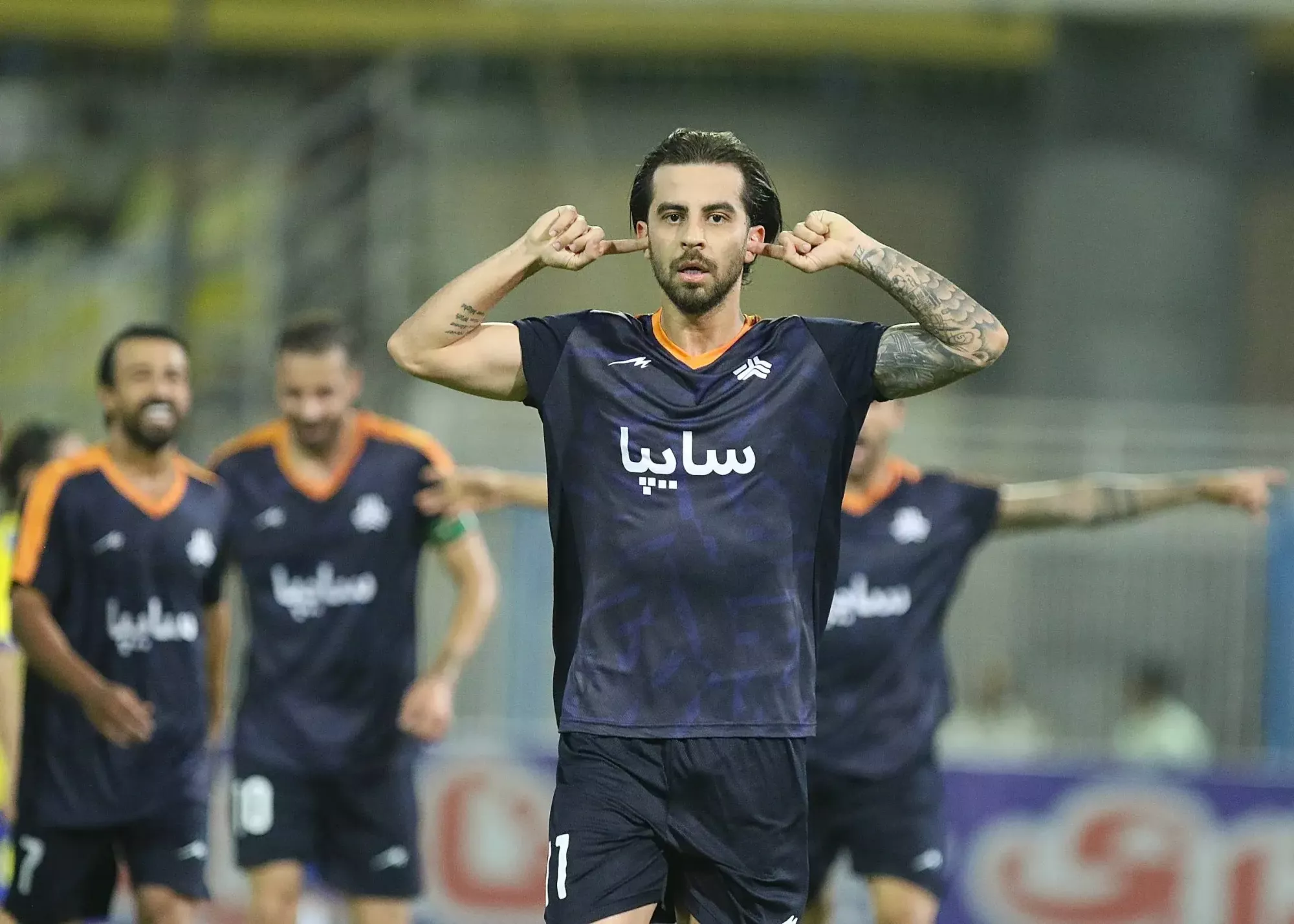
Beauty of the season from Sajad Gholibegli – goal from his own
Sajad Gholibegli scored a beautiful goal for Saipa with a shot from his own half, considered one of the best goals in League 1 this season.
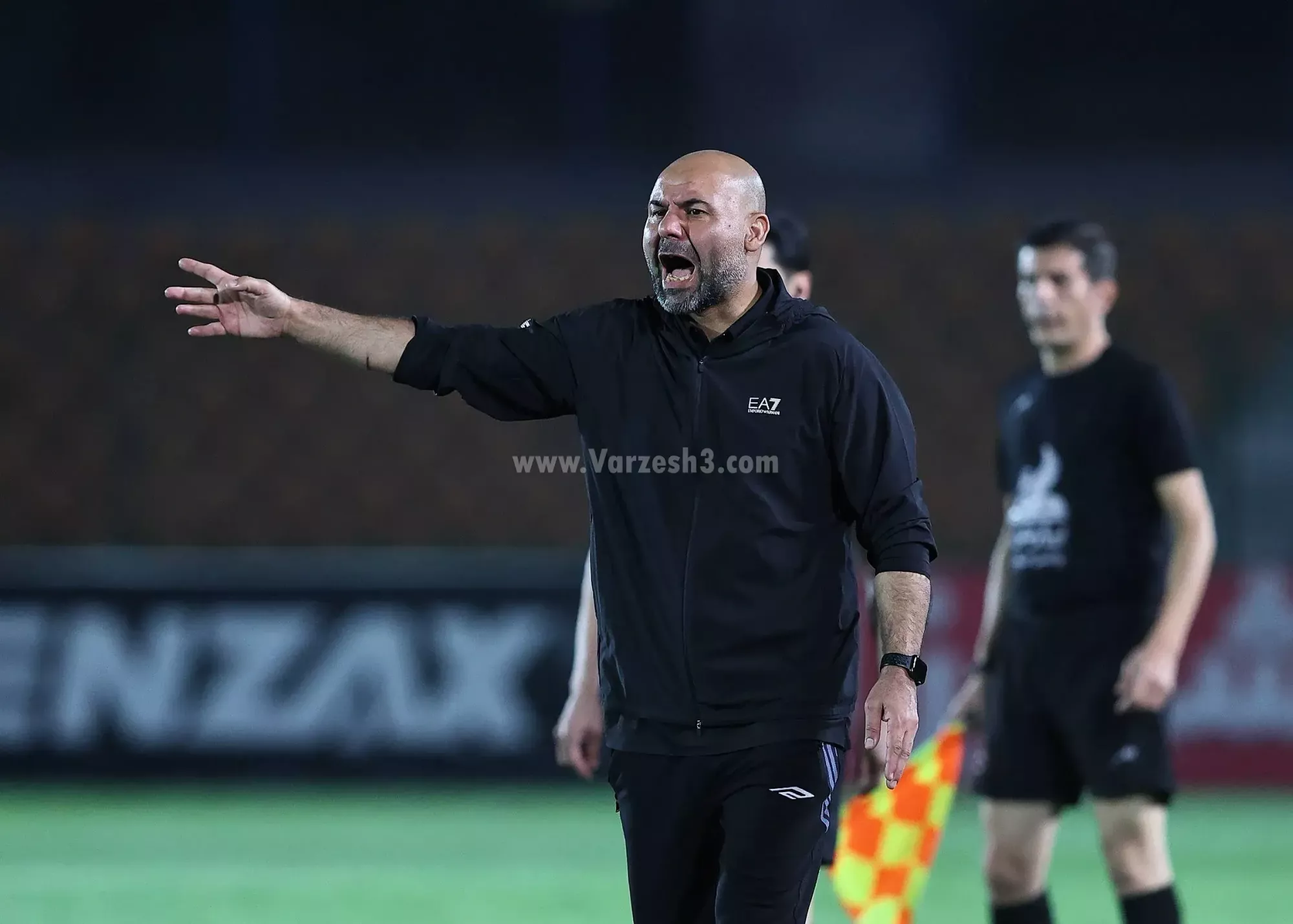
Invincible: FC Schalke 04 remains in the eleventh game
With a win against FC Augsburg, Schalke 04 extended their unbeaten streak to eleven away games in a row and remains on course for the title race.
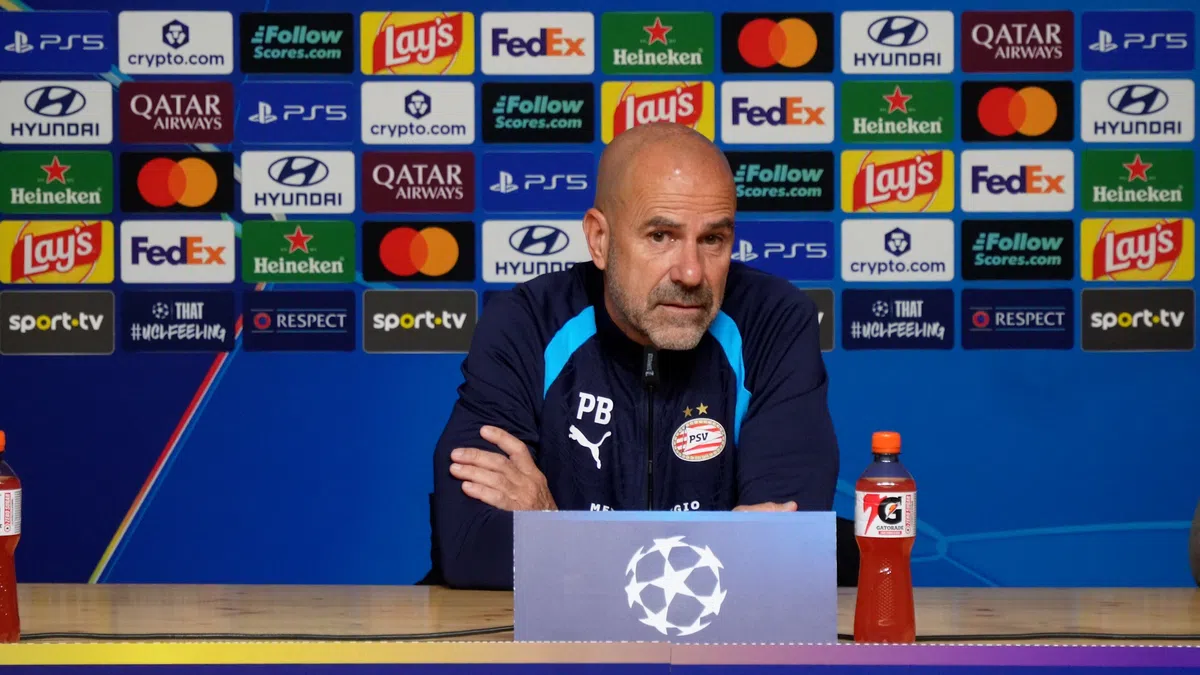
Farioli is an interesting coach, he left at Ajax
Peter Bosz highlights the qualities of Francesco Farioli, the coach of FC Porto, in the preliminary report on the game against PSV.