Leadership crisis in Nigerian football: NFF president and
The leadership of the Nigeria Football Federation (NFF) has withdrawn, raising questions about the future of Nigerian football. After a disappointing performance by the national teams, the NFF is facing upheaval.
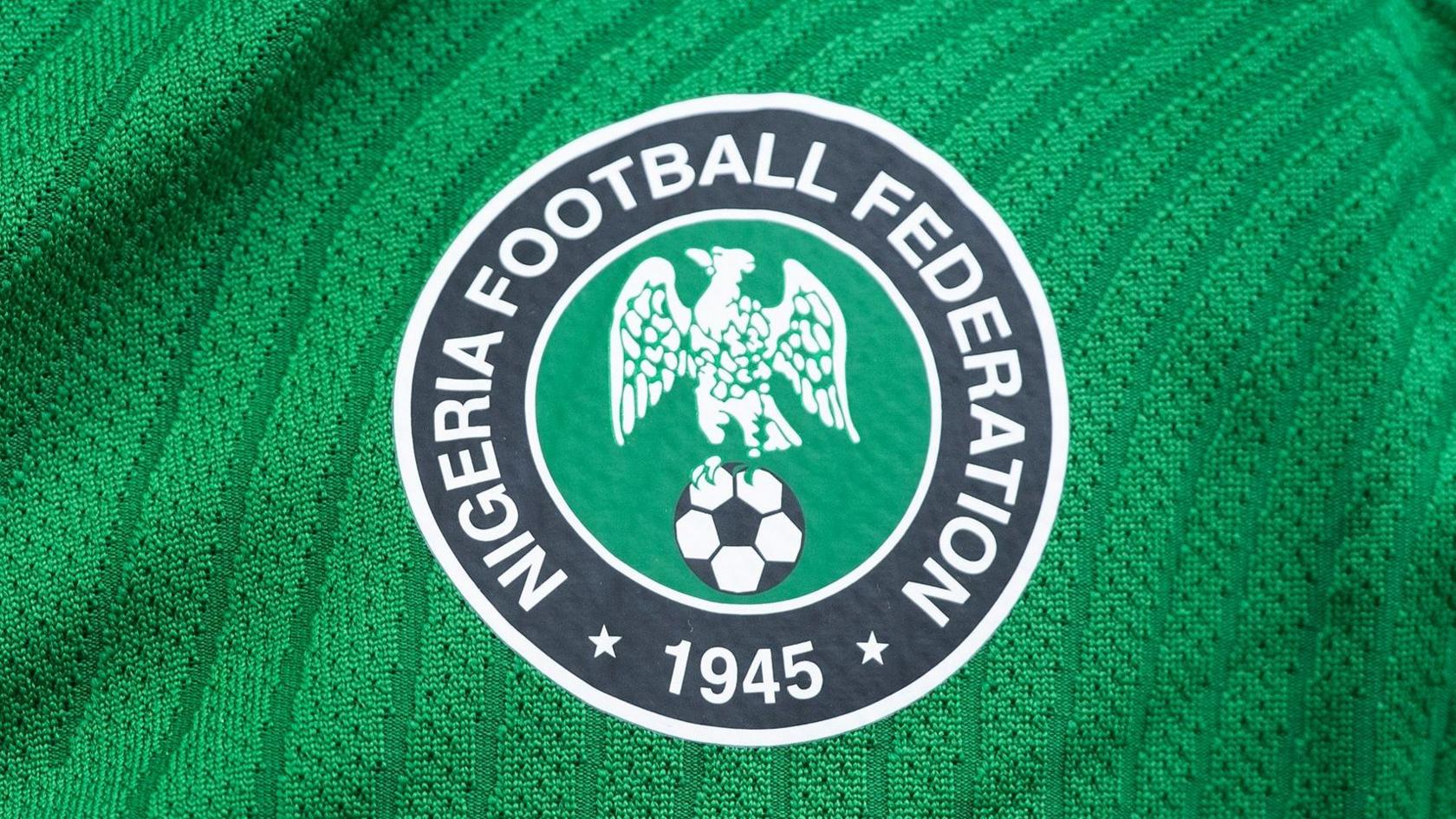
Leadership crisis in Nigerian football: NFF president and
According to Bbc.
Why this is important
The resignation of Ibrahim Gusau and the entire NFF board marks a pivotal moment for Nigerian football. Given the disappointing performances of the national teams, particularly the Super Eagles and Super Falcons, this change is necessary to provide new impetus and secure the future of football in Nigeria. The challenges facing the NFF could also have an impact on the development of young talent and international competitiveness.
Key findings
- Leadership crisis in Nigerian football: NFF president and.
- The leadership of the Nigeria Football Federation (NFF) has withdrawn, raising questions about the future of Nigerian football.
- Nigeria's football leadership resigns amid governance concerns and World Cup failures - BBC Sport.
Following the resignations, the NFF convened an emergency congress in Abuja to discuss next steps. This comes amid questions about governance and financial management within the NFF. Particular focus is on a 17 billion naira (around $12.66 million) intervention fund, reportedly approved by Nigerian President Bola Tinubu in 2024, to clear outstanding payments and obligations to national teams.
While there are no official findings, an ongoing review describes the examination of financial documents and administrative procedures. An investigative committee set up by the NFF following the Super Falcons' exit from Wafcon 2026 has highlighted several problems at board level and in the organization of the national teams. The report included allegations that NFF board members influence team rosters and that officials and coaches base player nominations on financial gain rather than performance.
The upcoming emergency congress is expected to discuss issues such as the status of the board and compliance with the statutes of the NFF, the Confederation of African Football and world governing body FIFA. The current uncertainty raises questions about the NFF elections scheduled for September. The possibility of a FIFA-backed normalization committee that could oversee the transition and prepare for new elections is also being discussed. Calls for far-reaching reforms have become louder in recent months. Former Nigeria internationals such as John Obi Mikel, Jay-Jay Okocha and Segun Odegbami have publicly stressed that meaningful progress requires a complete break from the usual administrative cycle that has been blamed for years of poor performance. Although the resignations create uncertainty, some stakeholders believe the crisis could also provide an opportunity for long-overdue structural reforms and a cultural reset.
This shift comes against the backdrop of wider discussions about governance and accountability in global football, with FIFA President Gianni Infantino at the center of the debate. For Nigeria, however, the crucial question remains whether confidence in the NFF can be restored while facing both sporting disappointments and off-field challenges.
What happens next
The NFF is now faced with the task of finding new leadership that can address the challenges facing Nigerian football. The search for a new president and board will be crucial to regaining the trust of fans and stakeholders. It is also expected that the NFF will have to develop strategies to get the national teams back on track and secure participation in future World Cups.
Frequently asked questions
What is the cause of the resignations in Nigerian football?
The resignations are due to increasing pressure due to the poor performances of the Nigerian national teams.
Who confirmed the resignations?
The resignations were announced during a press conference in Abuja by Ibrahim Gusau, President of the Nigeria Football Federation (NFF).
Why are the NFF leaders resigning now?
Ibrahim Gusau explained that he took this step after Kon sultations with family, friends and interest groups.
What changes will result from these resignations?
The resignations leave a vacuum at the top of Nigerian football, leading to unprecedented upheaval in the NFF.
How has the performance of the Nigerian national teams developed?
The Super Eagles have not played in the last two World Cups and the Super Falcons were eliminated in the quarterfinals of the last Africa Women Cup of Nations.
Related articles
Häufig gestellte Fragen
- What is the cause of retirements in Nigerian football?
- The resignations are due to increasing pressure due to the poor performances of the Nigerian national teams.
- Who confirmed the resignations?
- The resignations were announced during a press conference in Abuja by Ibrahim Gusau, President of the Nigeria Football Federation (NFF).
- Why are NFF leaders resigning now?
- Ibrahim Gusau explained that he came to this step after consultations with family, friends and stakeholders.
- What changes will result from these resignations?
- The resignations leave a vacuum at the top of Nigerian football, leading to unprecedented upheaval in the NFF.
- How has the performance of the Nigerian national teams developed?
- The Super Eagles have not competed in the last two World Cups and the Super Falcons were eliminated in the quarterfinals of the last Africa Women Cup of Nations.
- What happened in this story?
- Leadership crisis in Nigerian football: NFF President and summarizes the main development covered in this report.
- Why is this news relevant right now?
- The timing matters for how clubs, players, and fans prepare for the next competitive phase in the season or transfer window.
More News
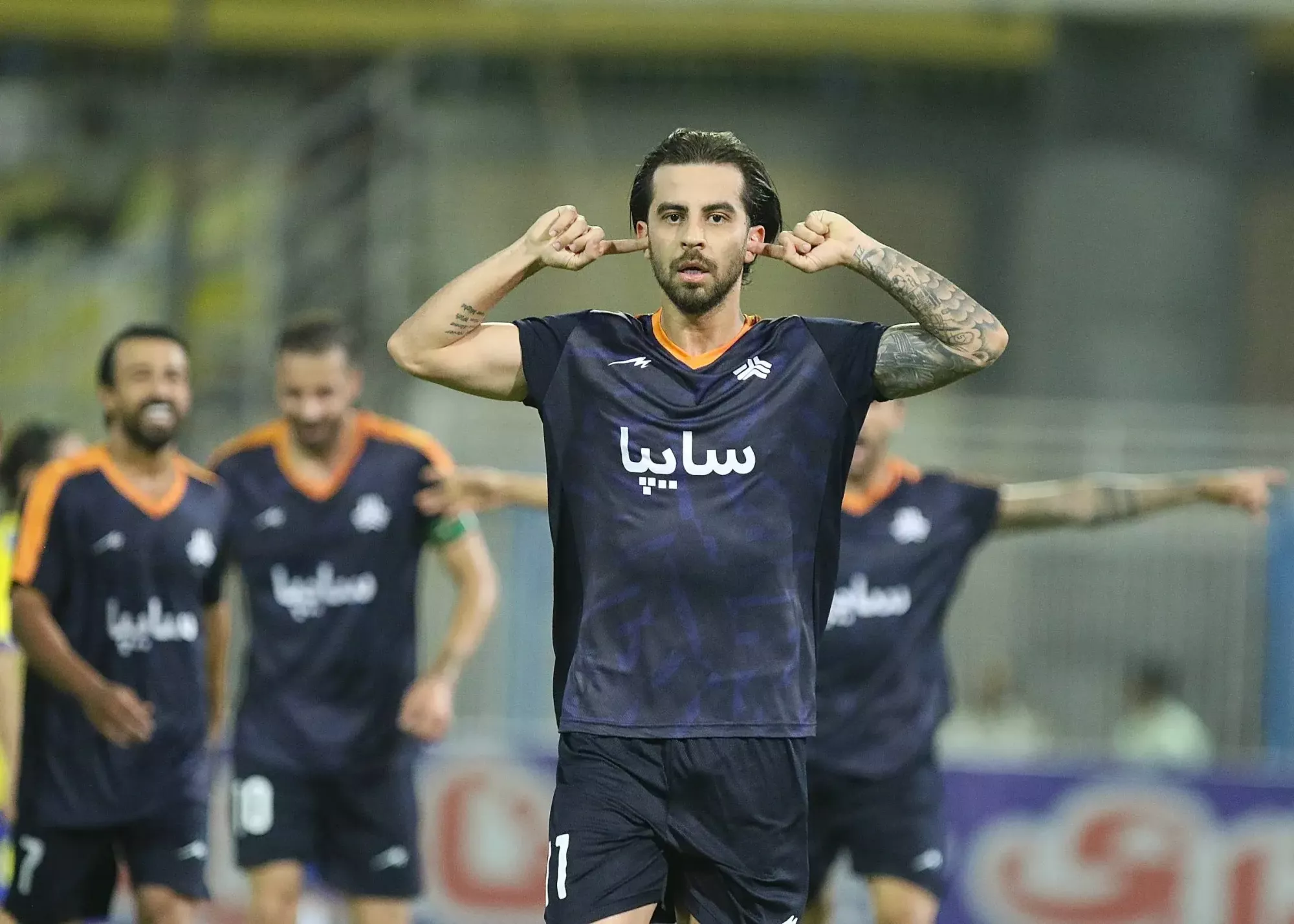
Beauty of the season from Sajad Gholibegli – goal from his own
Sajad Gholibegli scored a beautiful goal for Saipa with a shot from his own half, considered one of the best goals in League 1 this season.
Invincible: FC Schalke 04 remains in the eleventh game
With a win against FC Augsburg, Schalke 04 extended their unbeaten streak to eleven away games in a row and remains on course for the title race.
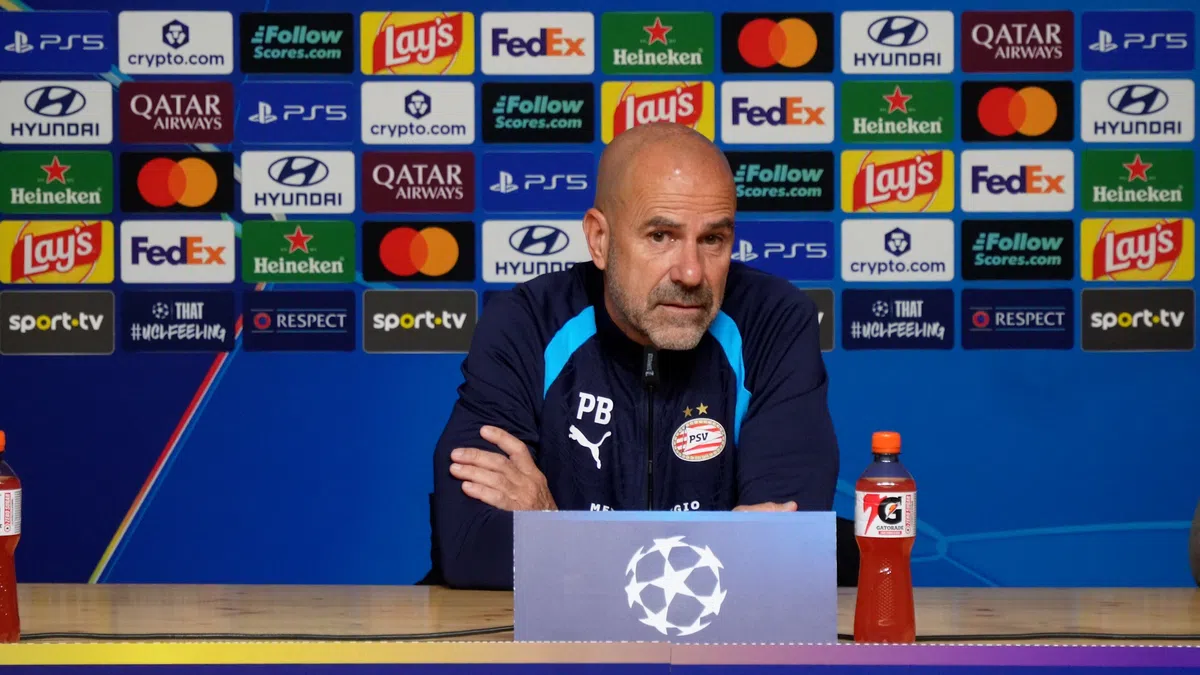
Farioli is an interesting coach, he left at Ajax
Peter Bosz highlights the qualities of Francesco Farioli, the coach of FC Porto, in the preliminary report on the game against PSV.