UEFA referees demand clear VAR decisions
UEFA referee chiefs have stressed that VAR should only intervene in cases of obvious errors. A return to the original goals is necessary.
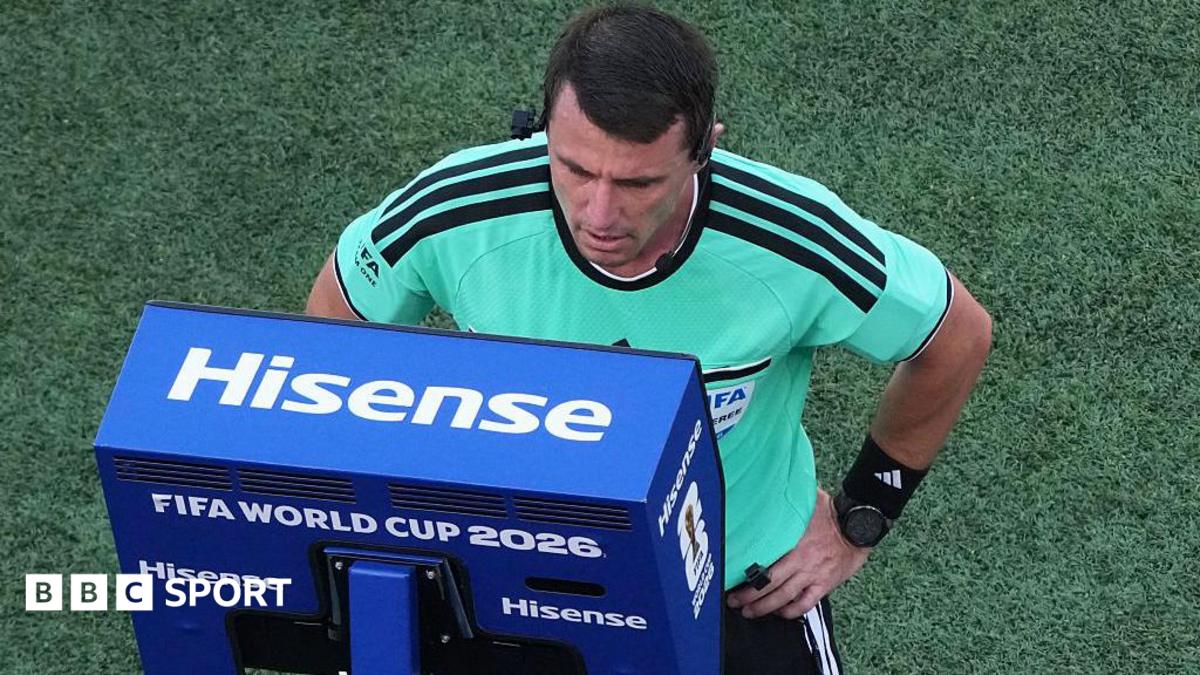
UEFA referees demand clear VAR decisions
Why this is important
The discussion about VAR is crucial for football as it affects the integrity of the game and the fairness of decisions. Referees and officials emphasize that VAR should not be used as a tool for endless reviews, but rather to correct clear wrong decisions. This could also have an impact on the perception of referees and the acceptance of their decisions by players, such as Breel Embolo.
Background
Breel Embolo, as an active player, could be directly affected by the changes in the VAR protocol. A clear and fair referee decision is crucial to the outcome of a game in which he plays and could affect his and his team's performance.
Key findings
- UEFA referees demand clear VAR decisions.
- UEFA referee chiefs have stressed that VAR should only intervene in obvious errors.
- Only use VAR when error blatant - Uefa referee chiefs - BBC Sport.
According to European referee officials, the Video Assistant Referees (VAR) should only intervene in the case of “blatantly wrong” decisions and clear wrong decisions. Chief referee officials from all 55 European football associations met with UEFA referee officials and a representative from the International Football Association Board (IFAB) last week to discuss recent changes to the Laws of the Game. Participants agreed that the "prolonged and petty reviews" suggested that the VAR had gone beyond its original scope. When VAR was introduced into the Laws of the Game by football's regulators, the IFAB, in 2018, its "philosophy" was that of "minimal intervention - maximum benefit". The aim was to "reduce unfairness caused by clear and obvious errors or serious missed incidents" in terms of goals, penalties, direct red cards and mix-ups. UEFA announced that a return to these original goals was necessary at the recent meeting of referee chiefs. "It has been reiterated that, according to protocol, VAR may only intervene in situations of 'clear and obvious' error, i.e. when a referee's decision is obviously wrong or when the referee has missed a clear event," UEFA said in a statement. "The VAR should not re-evaluate the game
en, it is an essential support for the referees, who have to be at the center of the decision-making process. Prolonged and petty reviews are often a symptom showing that the on-field decision was not clearly and obviously wrong and should therefore be restricted." Officials acknowledged a recent clarification from the IFAB regarding the correct interpretation of the player mix-up rule introduced before this year's World Cup. Accordingly, a decision in which a player was cautioned or sent off but the foul was committed by a player from the opposing team can be changed. Breel Embolo from Switzerland was the first player to receive a red card under this new rule, after a controversial second yellow card for acting in the game against Argentina. According to the VAR, Leandro Paredes should have received a yellow card for his foul, but the VAR intervened and changed the decision. Additionally, there were "unanimous support" for recent rule changes designed to reduce unnecessary disruptions, including time limits for corners, throw-ins and substitutions, as well as new rules for player injuries, etc
nd tactical timeouts by goalkeepers.
What happens next
UEFA is expected to take measures to streamline the application of VAR and return to its original objectives. This could mean that referees will use VAR less frequently in future games, including those involving players like Leandro Paredes and Breel Embolo. Referees are encouraged to make clearer decisions to speed up the game and improve the spectator experience.
Frequently asked questions
What do the UEFA referees demand?
The UEFA referees only demand clear VAR decisions in the case of 'blatantly wrong' decisions and clear wrong decisions.
Who confirmed the need to return to the original VAR targets?
UEFA confirmed the need to return to the original VAR targets at the recent meeting of referee chiefs.
Why is this discussion about VAR important now?
The discussion is important as participants at the meeting agreed that the 'prolonged and petty reviews' indicate that the VAR has gone beyond its original scope.
What changes have been proposed regarding the VAR protocol?
It has been suggested that the VAR should only intervene in situations of 'clear and obvious' error and not should re-evaluate the game.
What was the original philosophy of VAR when it was introduced?
The original philosophy of VAR was 'minimum intervention - maximum benefit' to reduce unfairness caused by clear and obvious errors.
Related articles
Häufig gestellte Fragen
- What do the UEFA referees demand?
- The UEFA referees only demand clear VAR decisions in the case of 'blatantly wrong' decisions and clear wrong decisions.
- Who confirmed the need to return to the original VAR targets?
- UEFA confirmed the need to return to the original VAR targets at the recent meeting of referee chiefs.
- Why is this discussion about VAR important now?
- The discussion is important as those at the meeting agreed that the 'prolonged and petty reviews' indicate that the VAR has gone beyond its original scope.
- What changes have been proposed regarding the VAR protocol?
- It has been suggested that VAR should only intervene in situations of a 'clear and obvious' error and should not re-evaluate the game.
- What was the original philosophy of VAR when it was introduced?
- The original philosophy of VAR was 'minimum intervention - maximum benefit' to reduce unfairness caused by clear and obvious errors.
- What happened in this story?
- UEFA referees demand clear VAR decisions summarizes the main development covered in this report.
- Why is this news relevant right now?
- The timing matters for how clubs, players, and fans prepare for the next competitive phase in the season or transfer window.
More News
Mourinho's bad behavior towards Kang-In and Cuti
El Real Madrid lost 2-1 against Atlético Madrid, with Mourinho showing his frustration towards Kang-In and Cuti Romero after the game.
Five interesting assessments of the Premier League to date
The Premier League has taken some surprising turns this season. Here are five interesting assessments that concern fans and experts alike.
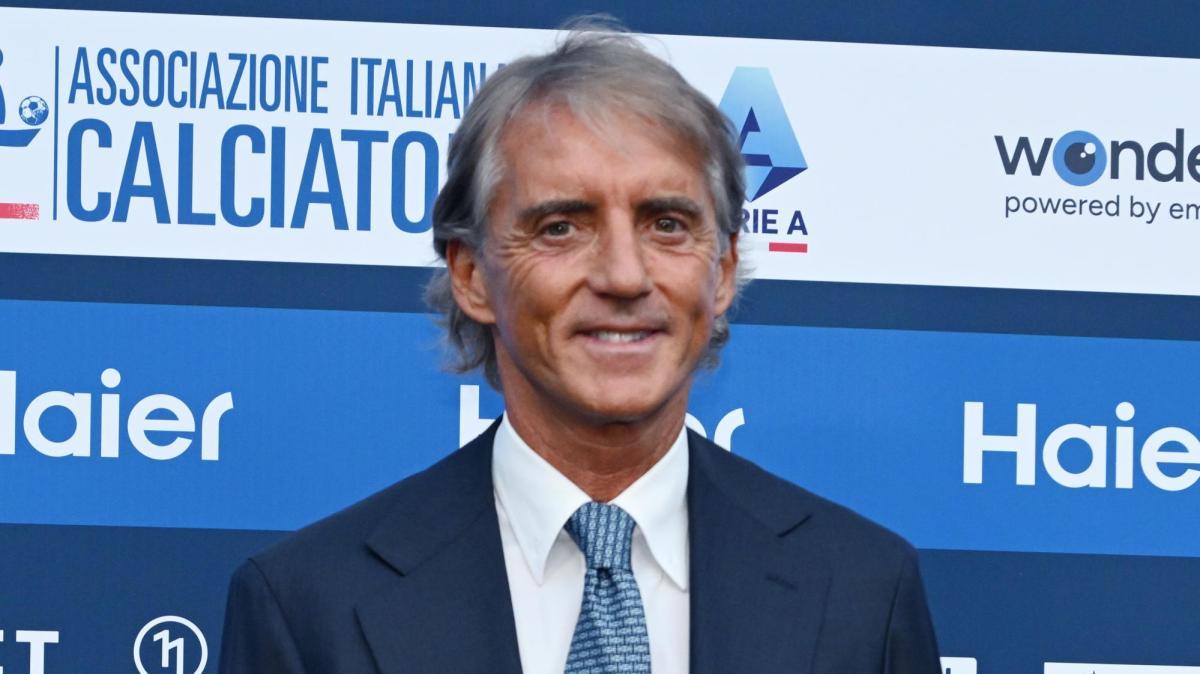
Roberto Mancini returns and makes important promises
With Roberto Mancini's comeback, the Italian national team promises a return to old successes. Inter are looking forward to Djed Spence while Juventus are struggling with injuries.