Why South America at home for the 2030 World Cup
South America will support the opening of the 2030 World Cup in three countries, but its limited role in this anniversary tournament raises concerns.
Why South America at home for the 2030 World Cup
According to Espn.
Background
The 2030 World Cup will take place in Argentina, Uruguay and Chile, providing a unique opportunity for these countries to showcase their football culture. However, there are concerns about the infrastructure and economic impact the event could bring. The debate about South America's role in global football will be further fueled by upcoming tournaments, including the 2026 World Cup.
Why this is important
The 2030 World Cup marks the centenary of the first tournament and therefore has special significance for football history. However, South America, as the cradle of football, faces the challenge that the role of host countries is limited. This situation could have long-term effects on the perception of football in the region and the economic development of the countries involved.
Key findings
- Why South America at home for the 2030 World Cup.
- South America will support the opening of the 2030 World Cup in three countries, but its limited role in this anniversary tournament raises concerns.
- Why South America is lukewarm on a 2030 World Cup on home soil.
What happens next
In the coming months, it will be crucial how the participating countries, particularly Argentina, Uruguay and Chile, can improve their infrastructure and organization for the 2030 World Cup. Discussions over FIFA's revenue distribution will also intensify as many fear European leagues will be favored. The preparations for the 2026 World Cup in the USA, Canada and Mexico could also have an influence on the strategies of the South American associations.
Frequently asked questions
What is special about the 2030 World Cup?
The 2030 World Cup marks the centenary of the first tournament and will be held in Argentina, Uruguay and Chile.
Why are there concerns about South America's role in the 2030 World Cup?
There are concerns about the organization, the infrastructure of the stadiums and the economic dimension of the event.
Who confirmed the hosting of the 2030 World Cup?
FIFA has decided to host the 2030 World Cup in several countries, including South America, confirmed.
Why is the economic situation in South America an issue in connection with the 2030 World Cup?
The high costs of converting and renovating stadiums could be problematic in the current economic situation of South American countries.
What concerns are there about the distribution of income from the 2030 World Cup?
Critics fear that major European leagues and associations will receive a disproportionate share of the revenue, while host countries may not receive sufficient support.
Related articles
Häufig gestellte Fragen
- What is special about the 2030 World Cup?
- The 2030 World Cup marks the centenary of the first tournament and will be held in Argentina, Uruguay and Chile.
- Why are there concerns about South America's role in the 2030 World Cup?
- There are concerns about the organization, the infrastructure of the stadiums and the economic dimension of the event.
- Who confirmed the hosting of the 2030 World Cup?
- FIFA has confirmed the 2030 World Cup will be held in several countries, including South America.
- Why is the economic situation in South America an issue in connection with the 2030 World Cup?
- The high costs of converting and renovating stadiums could be problematic in the current economic situation of South American countries.
- What concerns are there about the distribution of revenue from the 2030 World Cup?
- Critics fear that major European leagues and associations will receive a disproportionate share of the revenue, while host countries may not receive enough support.
- What happened in this story?
- Why South America at home for the 2030 World Cup summarizes the main development covered in this report.
- Who confirmed this news?
- See the source attribution in the article for where this report was first published or corroborated.
More News
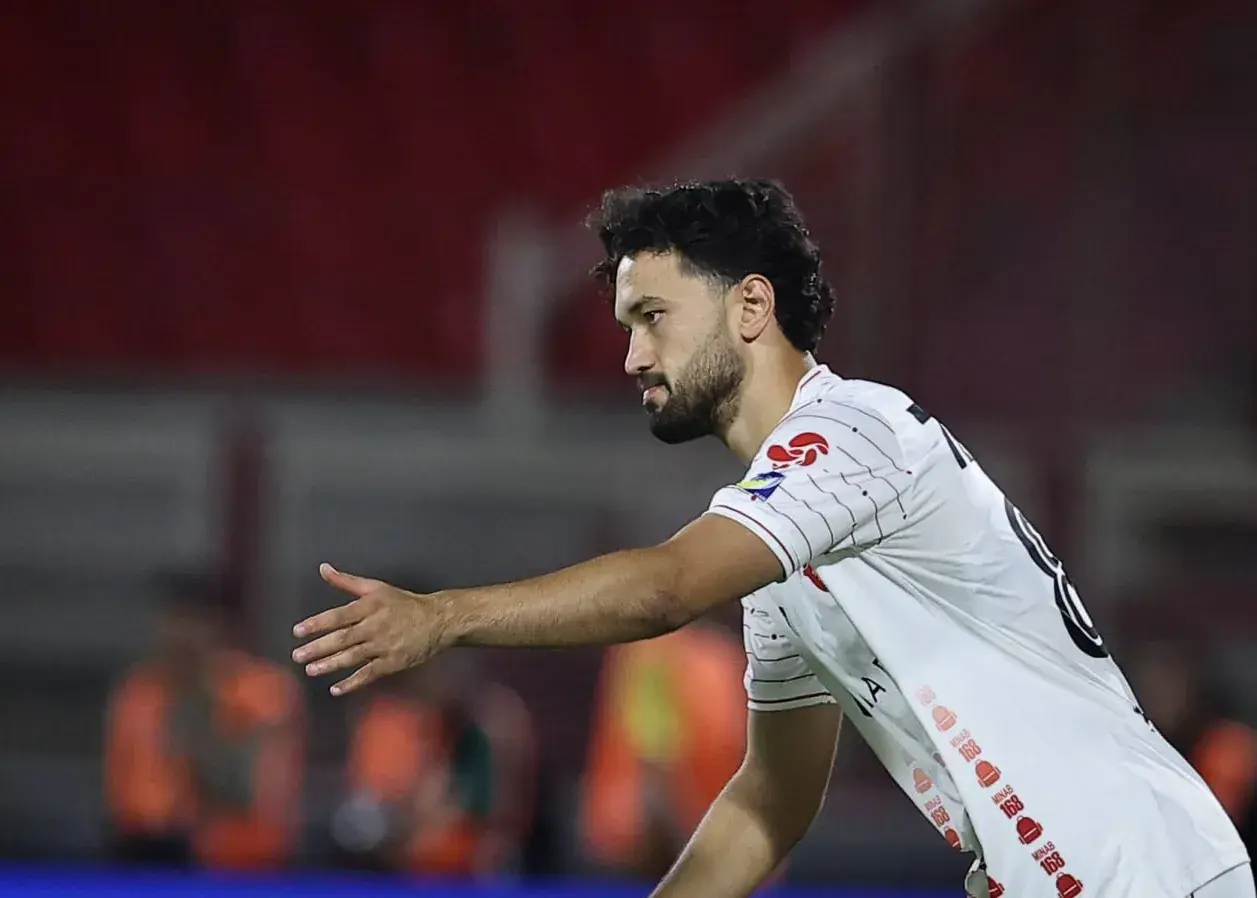
Daniyal Irie returns to the starting lineup after injury
Daniyal Irie, the young Persepolis defender, made his comeback after weeks of absence and helped his team to a comfortable win against Mes Shahr Babak.
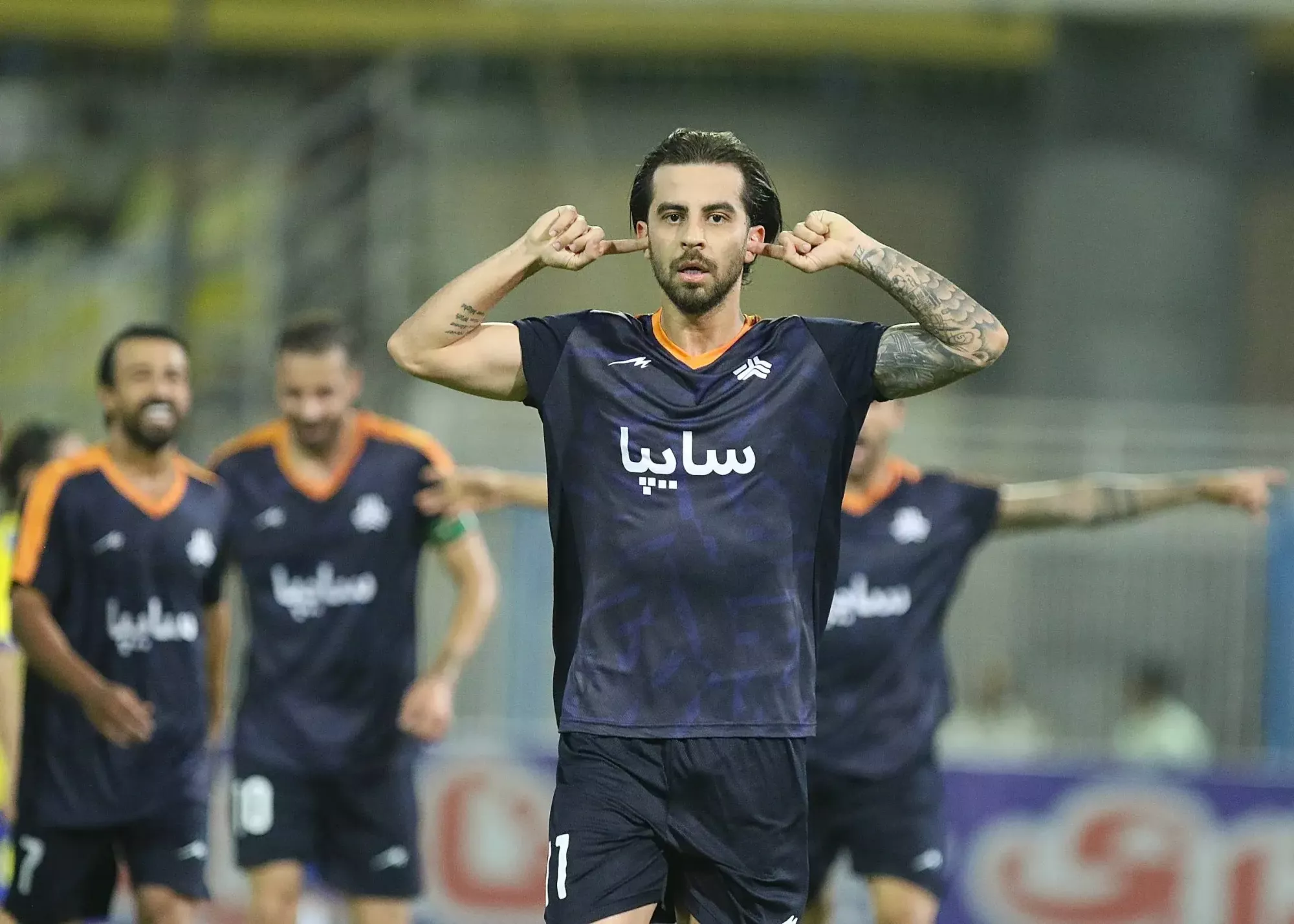
Beauty of the season from Sajad Gholibegli – goal from his own
Sajad Gholibegli scored a beautiful goal for Saipa with a shot from his own half, considered one of the best goals in League 1 this season.
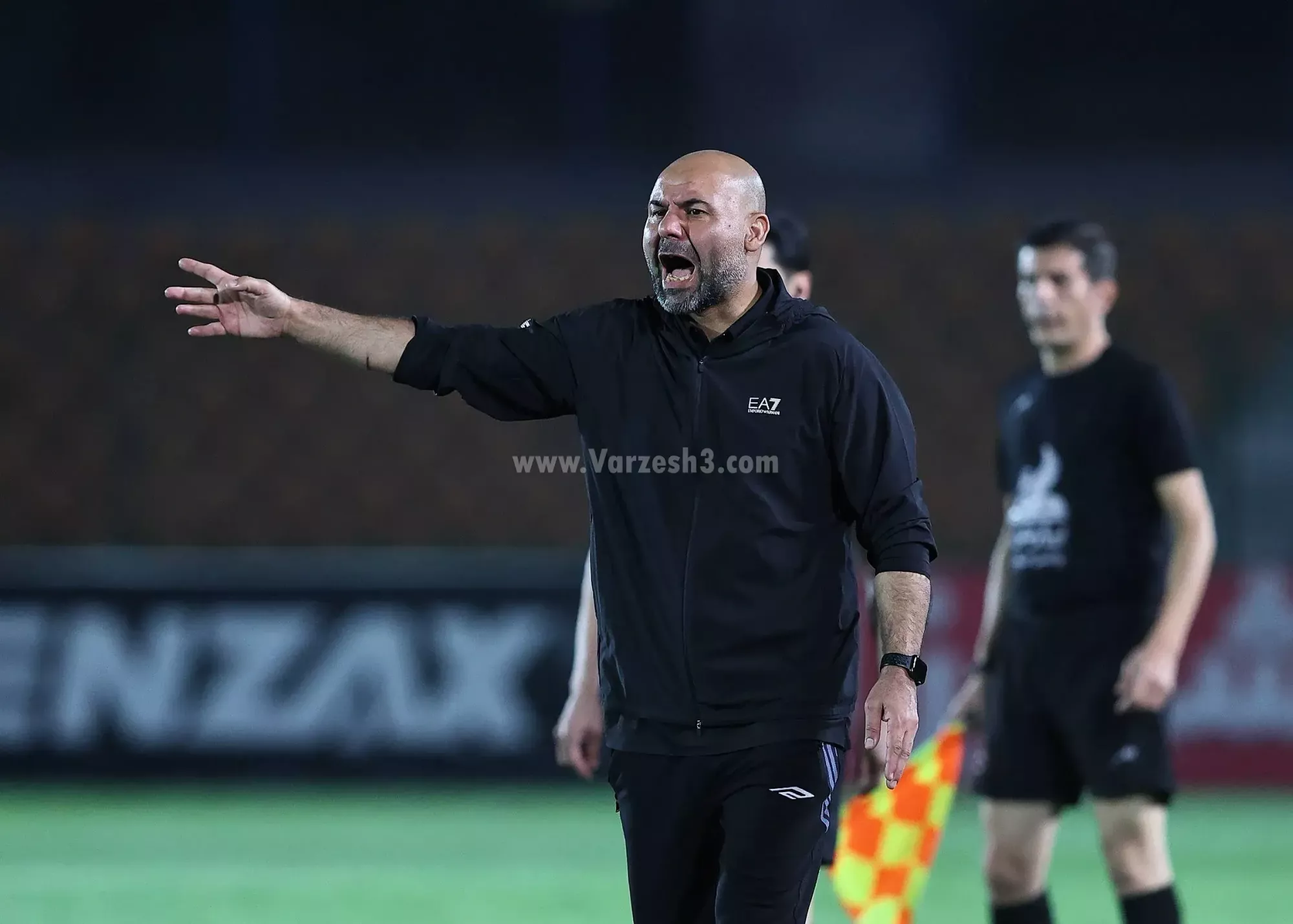
Invincible: FC Schalke 04 remains in the eleventh game
With a win against FC Augsburg, Schalke 04 extended their unbeaten streak to eleven away games in a row and remains on course for the title race.